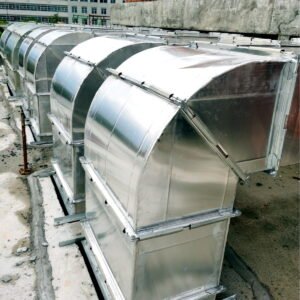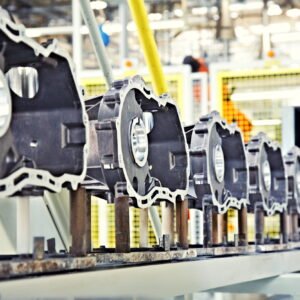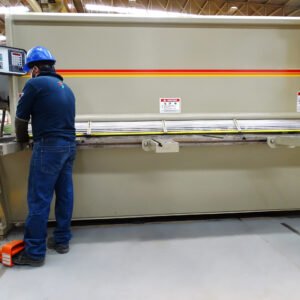
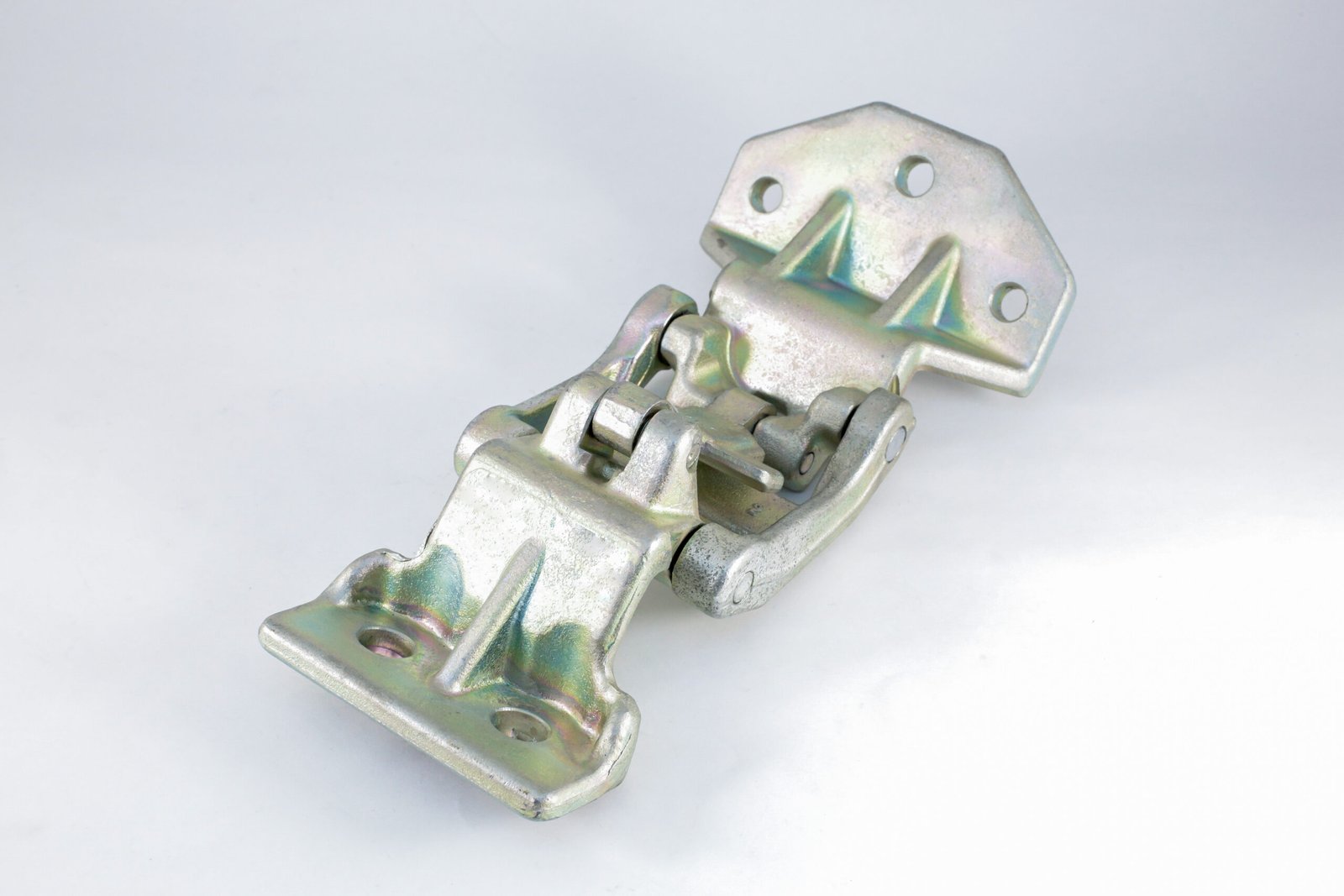
Hot structural steel is mainly used in the construction and heavy machinery industry; The carbon content of structural steels is at least 0.25% which is mixed with other alloys such as oxygen, sulfur and silicon.
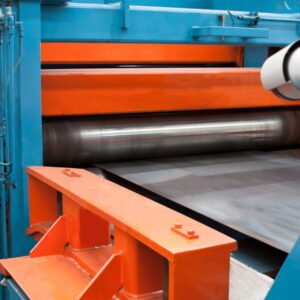
Hot Structural Steel is a firm steel used in all types of supporting structures such as bridges, floors and industrial buildings; the process begins with the production of hot rolled steel, which starts with a mixture of at least 0.25% carbon with other components such as sulfur, silicon and oxygen, which increases the mechanical properties of the final material; the mixture of these elements is heated to more than 1,000 degrees Celsius and then passed through a rolling mill where the thickness is reduced, commonly in ranges from 0.0590″ to 0.500″; it is coiled and allowed to cool, marking the origin of different stamping or die-cutting processes in various industries such as heavy machinery and construction.
The alloying elements used in the original mixture determine the characteristics and mechanical properties in the final product such as high ductility, heat tolerance, weldability, among others.
Structural hot rolled materials have developed a wide range of standards and grades internationally (ASTM, SAE, EN, etc.) and by manufacturer (GMW, Ford, Nissan, etc.); Its applications range from structural uses (construction), heavy machinery, to stamping automotive parts.
Some of the standards we use for hot rolled steel are: ASTM, SAE, EN, NES, Ford, GMW, VW, Stellantis (formerly FCA-Chrysler), among others.