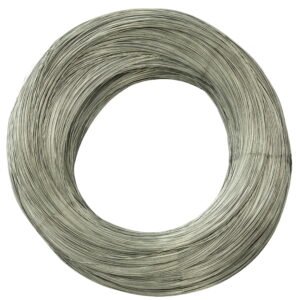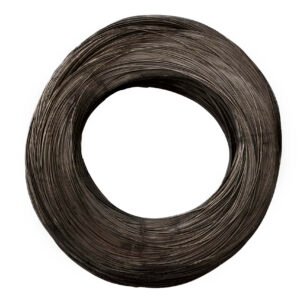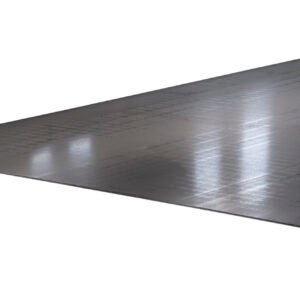
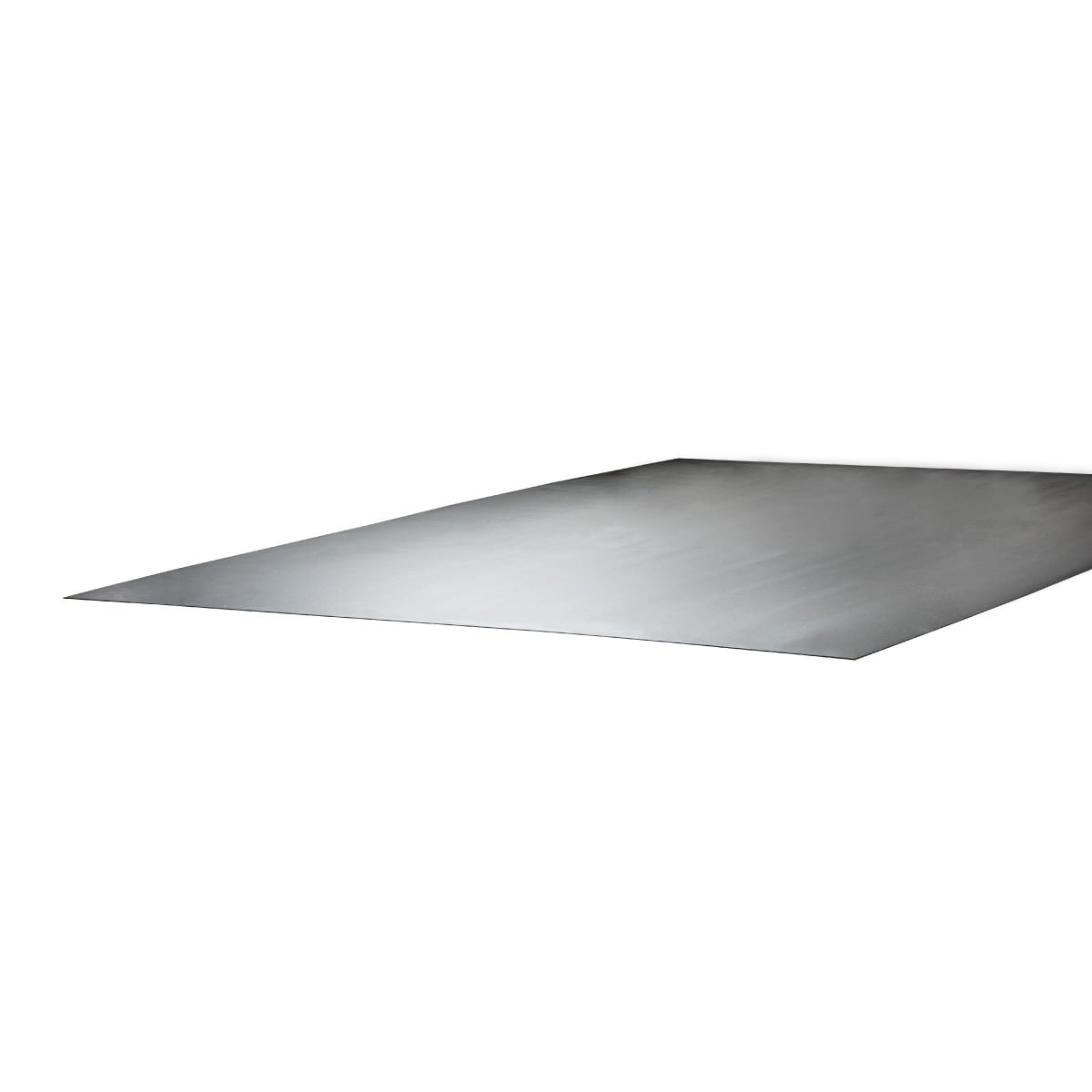
Galvanized steel sheet emerges as the standard of excellence in the world of construction and industry, combining unparalleled strength with an aesthetically impeccable finish. This innovative material redefines durability and versatility in every project.
Galvanized steel sheet is a material that has a zinc coating, which can be of the G60 or G90 type. This process protects it from corrosion and oxidation. It is a very ideal material when outdoor applications are to be carried out.
From weather-defying roofs to exterior cladding that stands the test of time, galvanized steel sheet and corrugated sheet excel in a variety of applications. Its versatility makes it the ideal choice for industrial, agricultural and commercial projects, providing reliable, long-lasting protection.
Corrosion resistance: The galvanized layer protects the sheet against oxidation, ensuring exceptional durability even in aggressive environments.
Extended Durability: The combination of steel and zinc gives the sheet superior strength, prolonging the life of any structure where it is applied.
Impeccable Aesthetics: The smooth surface not only increases strength but also adds a touch of elegance, making galvanized sheet an aesthetically appealing option.
Reduced maintenance: Its corrosion resistance minimizes the need for constant maintenance, saving time and resources in the long term.
Custom thickness: available in different gauges and measurements.
Ease of installation: It is light and easy to handle, simplifying the installation process, reducing construction time and associated costs.
Compatibility with sustainable design: its durability and recyclability make galvanized steel sheet an eco-friendly option for projects committed to sustainability.
This sheet is governed by ASTM A653, A924 specification and meets the highest quality standards.
Galvanized steel sheet isn’t just a material; it’s a statement of strength, durability, and style. Elevate your projects to new heights with the confidence of knowing you’re building on a foundation that combines advanced engineering and impeccable aesthetics.
Some of the most commonly used galvanized sheet gauges are:
Metal Structures: Due to its greater thickness and strength, 18 gauge is ideal for manufacturing structural components that require withstanding significant loads.
Manufacturing of Installation Accessories: It is used in the creation of elements such as drip caps, ridges and channels, essential in roofing and covering systems.
Ventilation and Air Conditioning Systems: Suitable for ducts and conduits that demand durability and corrosion resistance.
Coatings and Coverings: This gauge is commonly used in the manufacture of exterior and interior cladding, offering corrosion protection and an aesthetic finish.
Appliances and White Goods: Used in the production of housings and panels for household appliances, where a smooth and resistant surface is required.
Ventilation Systems: Suitable for the manufacture of air ducts that are not exposed to high pressures or loads.
Light Roofs and Covers: Ideal for applications where a lightweight but strong material is required, such as residential roofs and light structures.
Manufacturing of Minor Accessories: Used in the creation of elements such as gutters, moldings and other accessories that do not support heavy loads.
Decorative Applications: Thanks to its ease of handling and finishing, it is used in projects that require aesthetic details without compromising environmental resistance.
ASTM A653, A924
| Tabla de Pesos Teóricos Lámina Galvanizada Lisa | ||||||||
|---|---|---|---|---|---|---|---|---|
| Calibre | Peso por Pie L. | 1.83m | 2.44m | 3.05m | 3.66m | 2.44m | 3.05m | |
| 91.4 cm 3' ancho | 121.9 cm 4' ancho | 3'x 6' | 3'x 8' | 3'x 10' | 3'x 12' | 4'x 8' | 4'x 10' | |
| 10 | 7.56 | 10.07 | 45.36 | 60.41 | 75.51 | 90.61 | -- | -- |
| 12 | 5.89 | 7.86 | 35.34 | 47.12 | 58.89 | 70.67 | 62.82 | 78.53 |
| 14 | 4.23 | 5.64 | 25.37 | 33.82 | 42.28 | 50.73 | 45.1 | 56.37 |
| 16 | 3.4 | 4.54 | 20.4 | 27.2 | 34 | 40.8 | 36.26 | 45.33 |
| 18 | 2.74 | 3.65 | 16.4 | 21.86 | 27.33 | 32.8 | 29.15 | 36.44 |
| 20 | 2.08 | 2.77 | 12.43 | 16.57 | 20.72 | 24.86 | 22.1 | 27.62 |
| 22 | 1.74 | 2.32 | 10.43 | 13.91 | 17.38 | 20.86 | 18.54 | 23.18 |
| 24 | 1.24 | 1.66 | 7.43 | 9.9 | 12.38 | 14.86 | 13.21 | 16.51 |
| 26 | 1.08 | 1.43 | 6.43 | 8.57 | 10.71 | 12.86 | 11.43 | 14.29 |
| 28 | 0.91 | 1.21 | 5.43 | 7.24 | 9.05 | 10.86 | 9.65 | 12.06 |
| 30 | 0.75 | 1 | 4.46 | 5.95 | 7.44 | 8.92 | 7.93 | 9.91 |
| Las tablas están basadas en los espesores nominales del acero considerando un peso específico para el mismo de 7,850 Kg/m3 con capa de Zinc G-90 (0.275 Kg/m2) | ||||||||