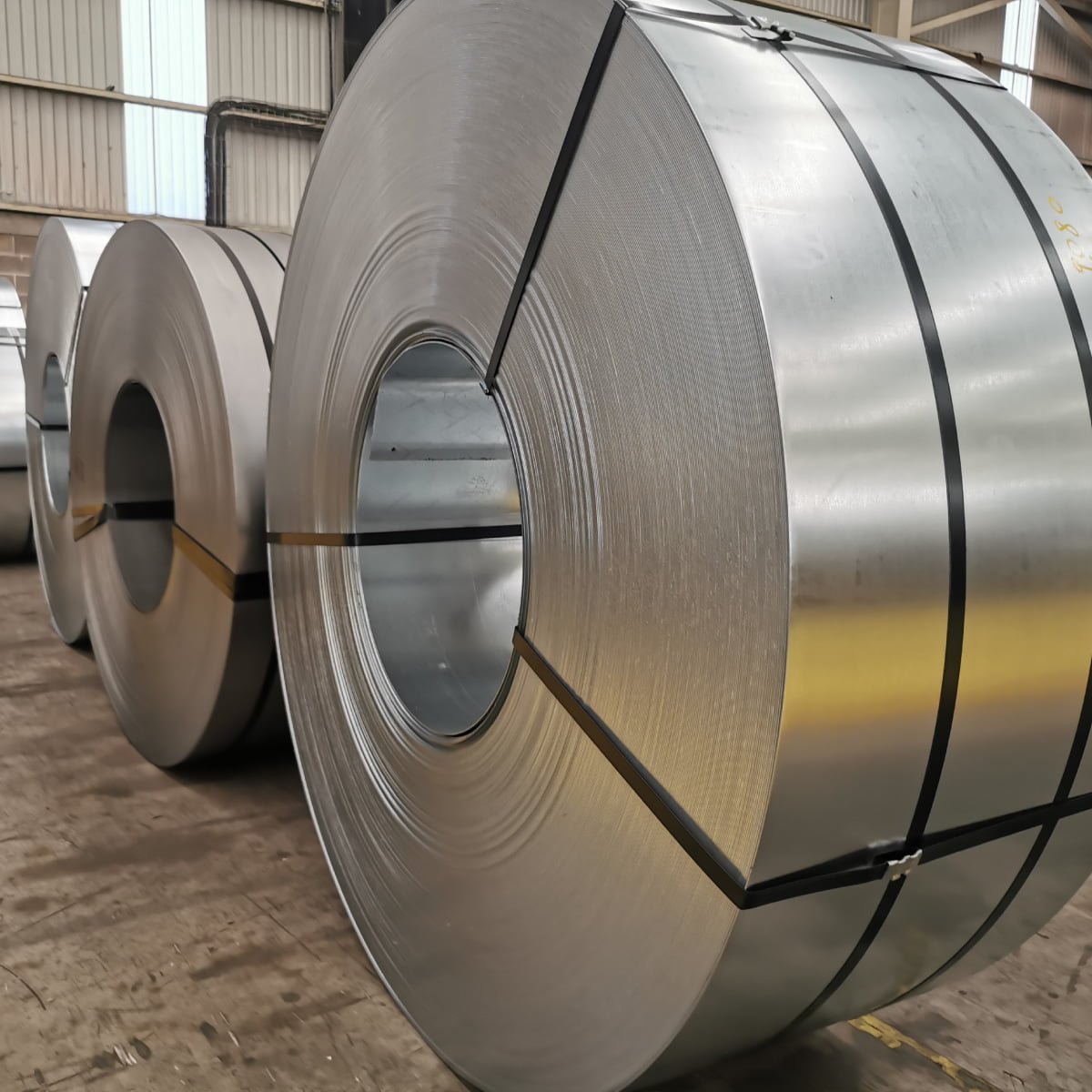
One of the most used coated materials in the automotive and appliance industry is aluminized steel, whose outer layer is composed of a mixture of aluminum and silicon (5-11%) that improves its adhesion to the base material; It has a high % reflection and multiple thermal applications.
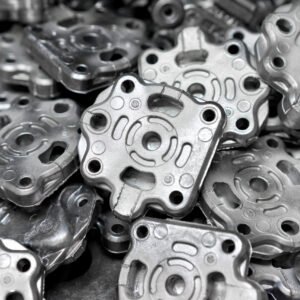
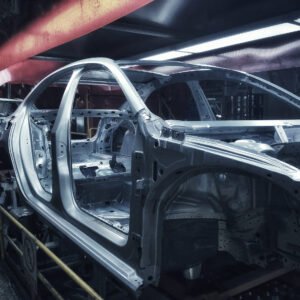
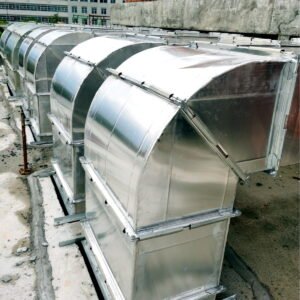
There is a wide variety of coatings applicable to hot-rolled or cold-rolled steel; one of the most widely used in the automotive and appliance industries is… aluminized steel whose outer layer is composed of a mixture of aluminum and silicon (5-11%) that improves its adhesion to the base material. The aluminum gives it a reflectivity of up to 80%, making it ideal for applications in exhaust systems such as mufflers, pipes, and catalytic converters. In the appliance industry, it can be used in the manufacture of ovens, reflectors, and heat sinks; the aluminum also improves the material’s wear resistance.
Aluminized materials have a wide range of standards and grades developed internationally (ASTM, SAE, EN, etc.) and by manufacturer (GMW, Ford, Nissan, etc.); their applications range from automotive uses, as well as household appliances and electronics.
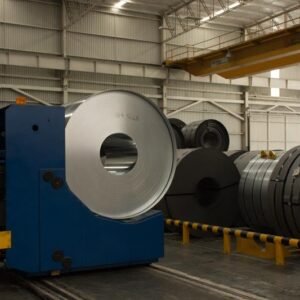
The chemical and mechanical properties of aluminized steels are available in light stamping (CS), medium stamping (FS, DS), deep stamping (DDS, EDDS) grades as well as High Strength Low Alloy (HSLA) and High Alloy (Stainless ). Some of the standards we handle for aluminized steels are: ASTM, GMW, FORVIA, among others.