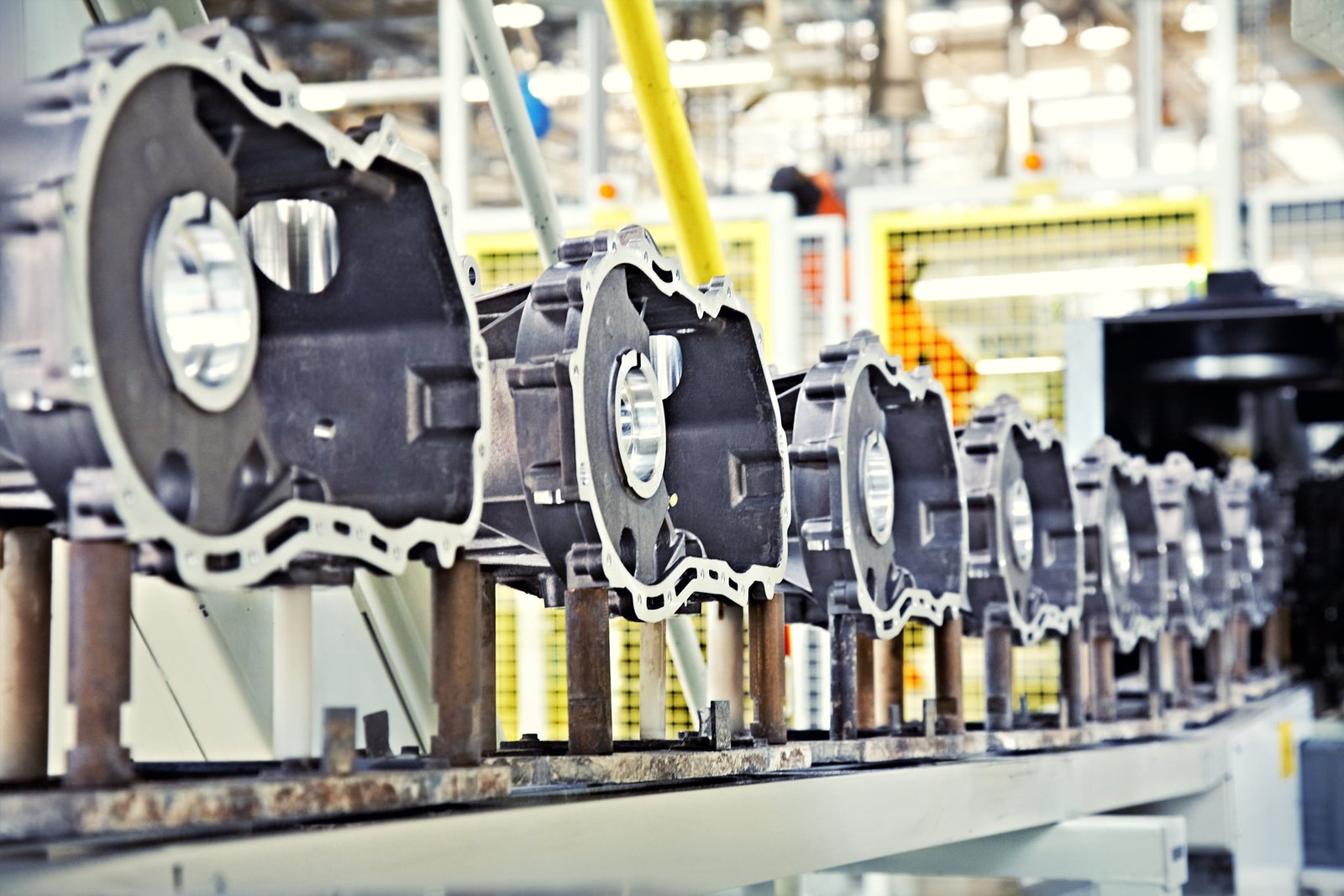
It is the product obtained from the cold reduction of pickled hot-rolled steel. The result is an excellent surface finish (specific roughness) and thickness control.
Cold Low Carbon Steel is obtained from the cold reduction of pickled hot rolled steel. The result of this process is a material with excellent surface finish (specific roughness) and greater thickness control.
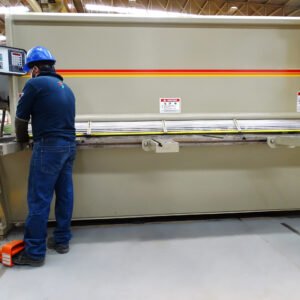
These steel coils undergo a high-temperature annealing process to regenerate the internal structure and achieve specific mechanical properties that allow their malleability in stamping, bending and deep drawing processes; cold-rolled steel offers better control of the thickness range from 0.010″ to 0.082″. Low-carbon steels provide malleability and ductility to manufacturing and stamping processes.
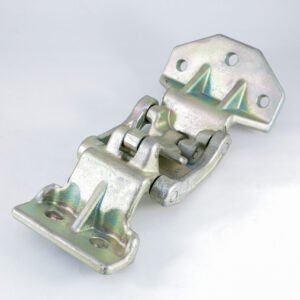
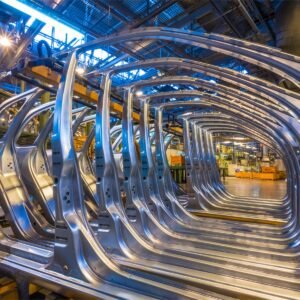
Low-carbon cold-rolled materials have a wide range of standards and grades developed internationally (ASTM, SAE, EN, etc.) and by automaker (GMW, Ford, Nissan, etc.); their applications range from the manufacture of automotive parts (brackets, chassis, shock absorbers), household appliances, furniture and the electronics industry, among others.
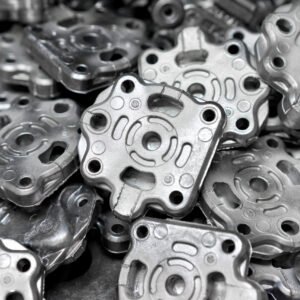
Low-carbon cold-rolled steel (CRS) is ideal for light-duty blanking (LHD), medium-duty blanking (FHD, DS), and deep-duty blanking (DDS, EDDS). Some of the standards we use for cold-rolled steel include ASTM, SAE, EN, NES, Ford, GMW, VW, Stellantis (formerly FCA-Chrysler), among others.