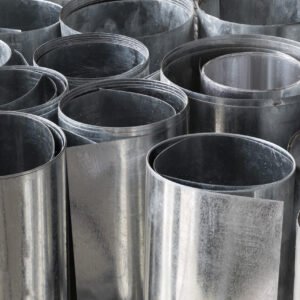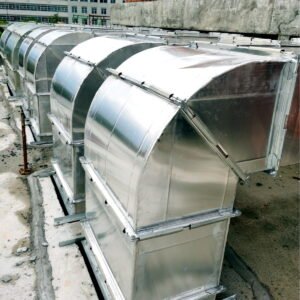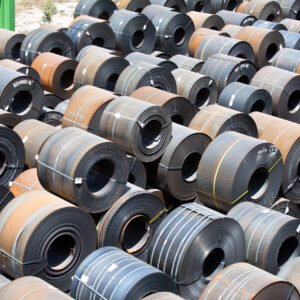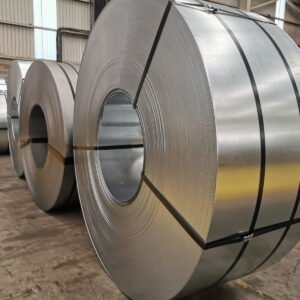
High-strength low-alloy steel is mainly used in the automotive and construction industries; Through microalloys of chemical elements such as Titanium, Vanadium, Niobium or Molybdenum, the chemical and mechanical properties of the final product are guaranteed; It is commonly known as high strength low alloy steel, for hot material the thickness ranges from .059″ to .500″ of an inch.
To obtain steel High Strength Low Alloy (HSLA), the process begins with the production of hot rolled steel which is based on a mixture of at least 2% carbon with other micro alloying components such as Niobium, Vanadium, Titanium and Molybdenum which modify the structure of the molecules to improve their die-cutability. The mixture of said elements is heated to more than 1,000 degrees Celsius and then passed through a laminator where the thickness is commonly reduced in ranges from 0.0590″» to 0.500″; It is wound and allowed to cool, marking the origin of different stamping processes in various industries such as the automotive and construction industries.
The alloying elements used in the original mixture determine the characteristics and mechanical properties in the final product such as greater tensile strength, better response to atmospheric corrosion compared to conventional low carbon steels and improved weldability.
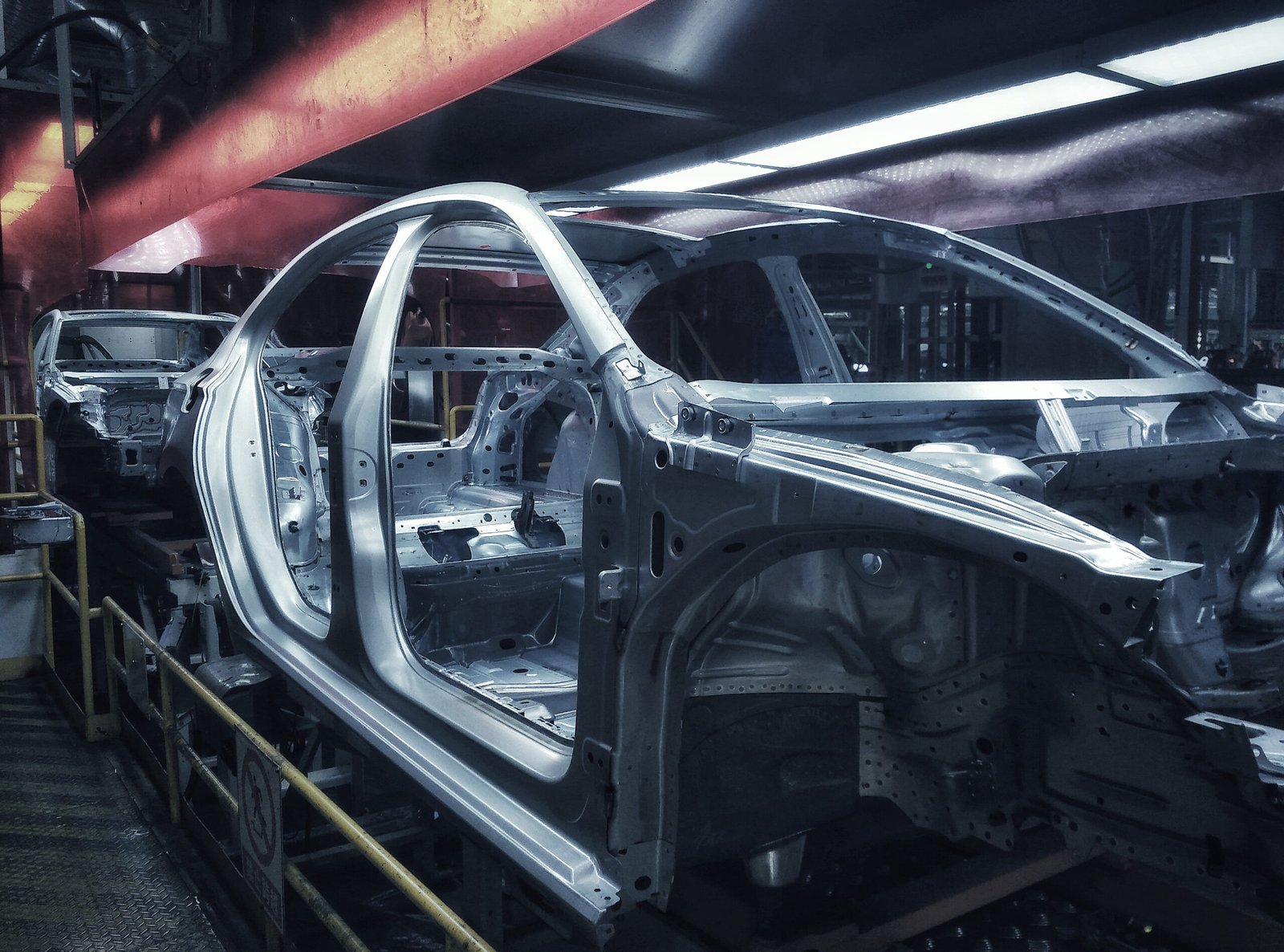
HSLA hot rolled materials have developed a wide range of standards and grades internationally (ASTM, SAE, EN, etc.) and by manufacturer (GMW, Ford, Nissan, etc.); Being a light steel, it is ideal for the automotive industry (chassis, suspension systems, supports, etc.) as well as in construction in the formation of structures.
The mechanical properties of HSLA steels are above 275 Mpa (40 ksi) Elastic Limit, being up to 30% lighter than low carbon steels with similar strength levels. Some of the standards we handle for HSLA steels are: ASTM, SAE, EN, NES, Ford, GMW, VW, Stellantis (formerly FCA-Chrysler), among others.